Starting daycare is a big step for a young child, and often an emotional one for parents too. Between the ages of 1 and 3, children are growing quickly, learning how to communicate, testing independence, and beginning to understand what it means to be part of a group. Some children run happily into a new classroom on the first day. Others need more time, reassurance, and practice before they feel comfortable. Both responses are normal.
Daycare readiness does not mean your child needs to be perfectly independent, fully verbal, or completely comfortable away from you. At this age, children are still very much learning how to manage separation, share space with peers, follow routines, and express their needs. A high-quality daycare environment is designed to support those developing skills with patience, warmth, and consistency.
One of the first signs of daycare readiness is your child’s ability to spend short periods of time with trusted adults other than their parents or primary caregivers. This may look like staying with a grandparent, family friend, babysitter, or another familiar caregiver while you run an errand. Some tears at goodbye are expected, especially in the beginning. What matters more is whether your child can gradually settle with comfort, connection, and support. Practising short separations before daycare begins can help build confidence for both children and parents.
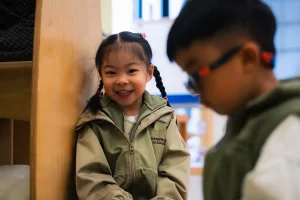
Communication is another important part of the transition. Children between 1 and 3 communicate in many different ways, including words, gestures, facial expressions, pointing, sounds, and simple signs. Your child does not need to speak in full sentences to be ready for daycare. It is helpful if they can show or communicate basic needs, such as hunger, tiredness, discomfort, wanting help, or needing a diaper change or bathroom support. Educators are trained to observe these cues closely, especially with younger toddlers who are still developing expressive language.
Routines also make daycare feel more predictable. Young children feel safer when they know what comes next, even if they cannot fully explain it yet. Daycare introduces a daily rhythm that may include arrival, play, snack, outdoor time, rest, lunch, creative activities, and pick-up. You can help prepare your child by creating a few simple routines at home, such as washing hands before meals, putting toys away before snack, or reading a book before rest time. These small habits help children practise transitions in a low-pressure way.
Stamina is worth considering too. A daycare day can be full, especially for toddlers who are used to quieter home routines. There are new faces, new sounds, group activities, outdoor play, meals, and rest periods. If your child still needs multiple long naps, a gradual transition can be helpful. Some families begin with shorter days or part-time care when possible. This gives children time to adjust to the energy of a group setting without becoming overtired.
Self-help skills can also support a smoother start. These do not need to be mastered before daycare, but early practice helps children feel capable. Encourage your child to try feeding themselves, drink from a cup, help pull off socks, place shoes by the door, or put a toy back in a basket. For older toddlers, simple choices like “blue sweater or green sweater?” can build independence and confidence. These everyday moments help children feel like active participants in their routine.
Social readiness develops slowly at this age. Toddlers are often still learning how to play near other children before they are ready to play cooperatively. They may grab toys, struggle with sharing, or need adult help to manage big feelings. This is part of normal development. Daycare gives children regular opportunities to practise taking turns, observing peers, joining group activities, and learning gentle ways to interact. With guidance from caring educators, children begin to build the early social skills that support friendship and belonging.
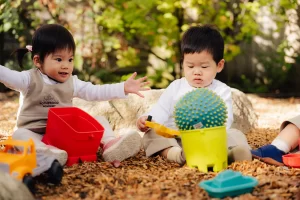 Emotional readiness may be the most important piece. Your child does not need to be fearless to begin daycare. They need a setting where they will be comforted, understood, and supported as they adjust. A strong daycare program will take time to learn your child’s temperament, routines, interests, and comfort strategies. Some children need a favourite blanket or stuffy. Some need a calm goodbye routine. Some need extra time with one educator before joining the larger group. These details matter.
At Rothewood Academy, we understand that the first daycare experience is a major developmental step. If your child is between 1 and 3, readiness is best understood as a growing process rather than a checklist. With the right support, daycare can become a place where your child builds confidence, develops language, explores new friendships, and begins to see themselves as a capable learner. Our educators work with families to help each child feel safe, seen, and ready to grow, and support children with age-appropriate routines, warm relationships, creative play, outdoor exploration, and gentle encouragement toward independence.
If you would like to see our schools, contact one of our Rothewood Academy schools to schedule an in-person tour.